
An agency agreement is a paid arrangement. As we have already discussed, defining remuneration precisely can substantially reduce the risk of a remuneration dispute with the agent.
Which remuneration model should be used?
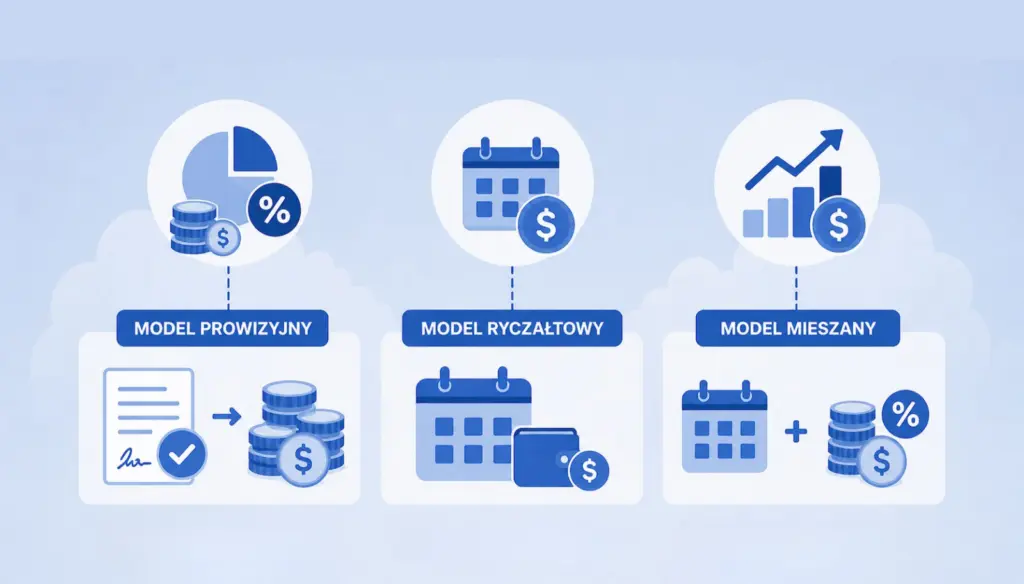
The most common models are:
1️⃣ Commission: the agent is paid for bringing about a contract with a customer, for example a percentage of its value or a rate depending on the number of contracts. This is the classic agency model, but also the most common source of disputes, including commission on repeat business and contracts concluded after the relationship ends.
2️⃣ A fixed fee: a set payment, usually monthly, regardless of the number of contracts. This makes costs predictable, but means remuneration is payable even where sales results are limited.
3️⃣ A mixed model: a combination of a fixed fee and commission, often used as a compromise between stability and an incentive to acquire customers.
🔍 The model should reflect the agent’s actual duties. A fixed fee may be suitable where the agent provides ongoing customer service. Where customer acquisition is the main task, commission provides greater motivation and may be more worthwhile for both parties.
⚠️ Remember that under a fixed-fee model the agent is not entitled to request information about contracts the principal concludes with customers acquired by the agent through the statutory information claim. Nor can the agent demand commission on those contracts, including later contracts with customers previously acquired: commission on repeat business.
👉 When planning an agency relationship, analyse both its costs and the legal risks it creates.