
Although Poland’s deposit return scheme will take effect as soon as 1 October 2025, many beverage producers are still wondering whether and how they should join it. Below we outline the key issues to consider when preparing.
1. Assessing whether the producer should join the deposit return scheme
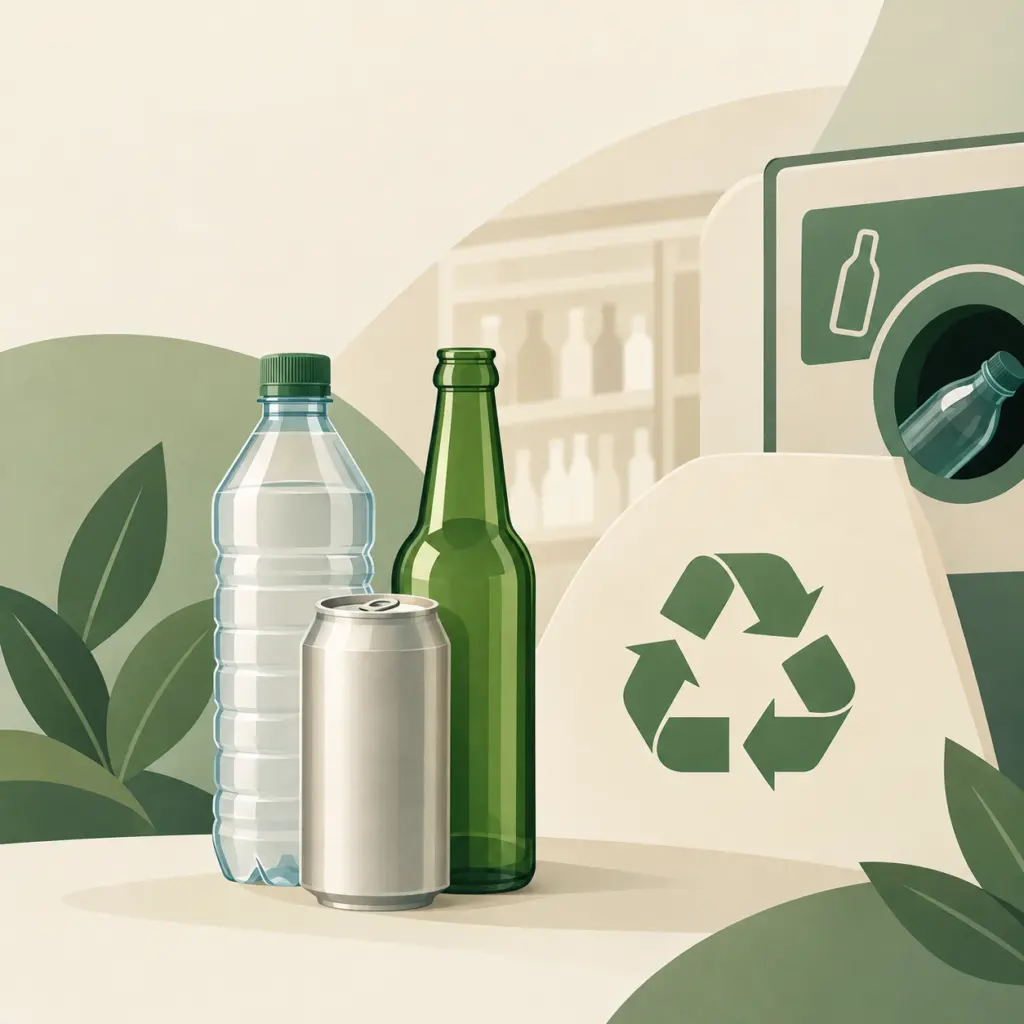
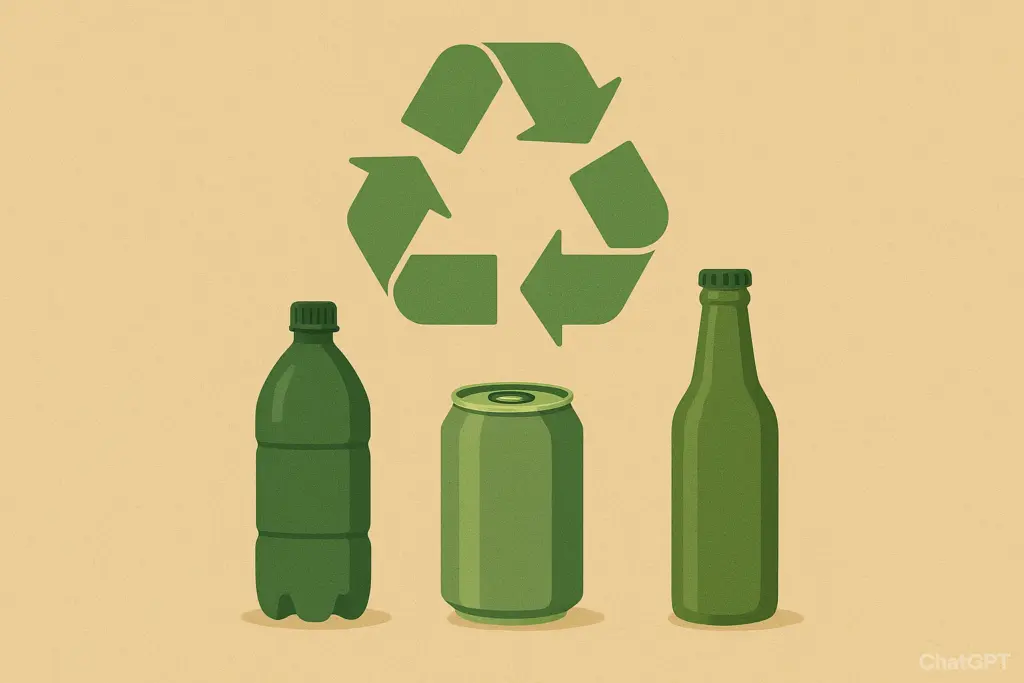
The producer should first assess whether it places beverages on the market in packaging covered by the scheme. The scheme covers three packaging categories:
- plastic (PET) bottles with a capacity of up to 3 litres;
- reusable glass bottles of up to 1.5 litres;
- metal cans of up to 1 litre.
Milk drinks and drinks not intended for direct consumption are excluded from the deposit return scheme. According to the Ministry of Climate and Environment’s interpretation, this excludes, among other things:
- vinegar, soy sauce and liquid toppings;
- edible oils;
- products requiring dilution, such as syrups, concentrates and liqueurs;
- liquid dietary supplements unsuitable for consumption directly from the container, for example those requiring measurement with a spoon.
2. Choosing an operator and entering into an agreement to join the deposit return scheme
If a producer places beverages on the market in packaging covered by the scheme, it should consider joining. There is no statutory obligation to do so. However, a producer that chooses otherwise should expect to pay a product fee, and from 1 January 2026 a triple product fee. This is intended to make paying the fee instead of joining the scheme a less attractive option.
Joining involves signing an agreement with a chosen operator. It is crucial that the operator’s scope covers the packaging the producer actually places on the market, as not every operator handles every material stream.

Before entering into an agreement with an operator, it is worth ensuring that its terms adequately protect the producer’s interests and do not impose excessive risks. In particular, analyse:
- the rules for setting the operator’s remuneration, particularly any right to increase fees unilaterally;
- the mechanism for transferring deposits to the operator, so the producer is not required both to fund the scheme and to provide it with credit;
- the termination terms, as in practice these determine whether changing operators is a realistic possibility;
- confidentiality obligations, because other producers are shareholders in the operator, increasing the risk of strategically important confidential information being disclosed to competitors.
A producer may also consider joining the scheme as a shareholder in the operator, as well as a customer. This requires a greater financial commitment to pay for shares and potentially provide additional funding. It can, however, bring business benefits such as influence over the scheme’s development.
3. Appropriate product labelling
After joining the deposit return scheme, producers will have to mark packaging to show that it is covered by the scheme and state the deposit amount. The marking should comply with the agreement with the operator and the statutory design.

4. Collecting and providing data
Producers will also have to provide operators with a range of data needed to fulfil deposit return scheme obligations, including data on packaging covered by the scheme that they intend to place, or have placed, on the market. Producers will also have to expand their existing packaging records to include the information required under the scheme.
Conclusion
Beverage producers have little time left to prepare for the deposit return scheme’s implementation. The key steps are checking whether their packaging falls within the scheme, choosing the right operator and ensuring that the agreement protects the producer’s interests. Internal processes—from record-keeping to product labelling—should also be prepared in advance to ensure a smooth transition to the new legal regime from 1 October 2025.