
The deposit return scheme, which takes effect on 1 October 2025, aims to increase separate collection and recycling rates for packaging. Consumers purchasing products in packaging covered by the scheme will therefore be required to pay a refundable deposit. From the consumer’s perspective, the rules for recovering that deposit are consequently crucial.
1. The deposit
The deposit is not part of the price of the goods. It is a refundable charge collected when a beverage in packaging covered by the scheme is purchased. Its purpose is to encourage consumers to return empty packaging and ensure it is returned for further recycling. Once the packaging is returned, the deposit should be refunded in full.
The deposit is to be:
- PLN 0.50 for PET (plastic) bottles of up to 3 litres;
- PLN 0.50 for metal cans of up to 1 litre;
- PLN 1 for reusable glass bottles of up to 1.5 litres.
Packaging covered by the scheme must bear the appropriate marking, following the design below:

The scheme does not cover, among other things:
- single-use glass bottles;
- yoghurt and other dairy product packaging;
- cartons;
- other packaging without the scheme marking.
A transitional period will apply until the end of the year. Consumers may therefore purchase both products in packaging covered by the scheme and those not yet included under the transitional arrangements.
2. Refunding deposits
The obligation to accept empty packaging and refund deposits to consumers rests with retailers selling beverages in packaging covered by the scheme, in particular:
- Physical shops with a sales area exceeding 200 m², for all packaging types covered by the scheme;
- Physical shops with a sales area no greater than 200 m², for glass bottles covered by the scheme, and voluntarily for other packaging types;
- Other retail outlets, such as petrol stations and pharmacies: their refund obligations are analogous to those of physical shops and depend on the sales area;
- Online shops: despite interpretative doubts over the meaning of sales area, the ministry considers that online shops must also provide a procedure for returning packaging, with the same obligations as physical shops with a sales area no greater than 200 m2. This does not follow directly from the legislation, however, and could be disputed in the future.
3. How deposits are refunded
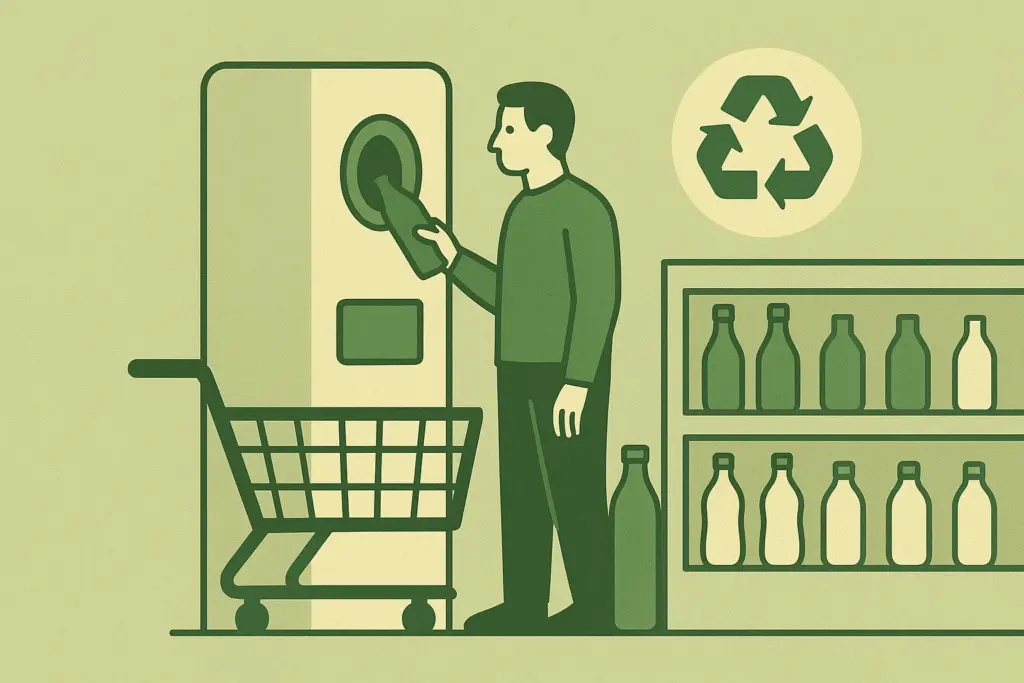
To recover their deposit, consumers should return empty packaging to collection points operated by shops and other entities. It must be possible to identify the packaging as covered by the scheme: the deposit marking and barcode should be intact. For technical reasons, packaging should not be crushed or damaged. Nevertheless, the legislation also requires damaged packaging (packaging waste) to be accepted. If a reverse vending machine cannot accept it for technical reasons, the consumer may demand that the shop accept it by another means and refund the deposit.
Crucially, no receipt is required when returning packaging.
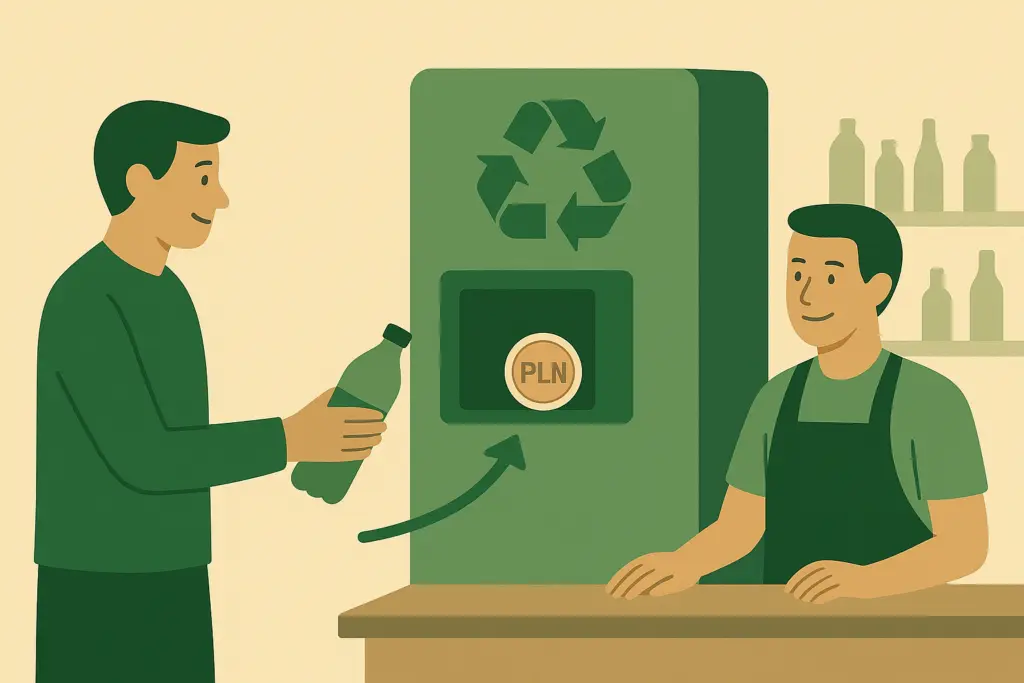
The legislation requires the deposit to be refunded to the consumer in cash. In practice this means:
- the consumer cannot be forced to accept a discount, voucher or loyalty points instead of money;
- the shop must refund the deposit in monetary form, regardless of how the goods were paid for;
- the consumer may receive a document from the reverse vending machine confirming the return and, on presenting it to an authorised employee, should receive a cash or cashless refund;
- alongside the deposit refund, shops may offer additional discounts or loyalty programmes to encourage consumers to return packaging to those particular shops.
Conclusion
The deposit return scheme is a real change that will affect consumers’ everyday habits and retailers’ practices. Remember that the deposit is always refundable, even without a receipt. Correct implementation of these rules will be crucial for consumer confidence and the effectiveness of the entire scheme.
Would you like to understand the full legal context? All the details are available in our main guide: The deposit return scheme in Poland.